
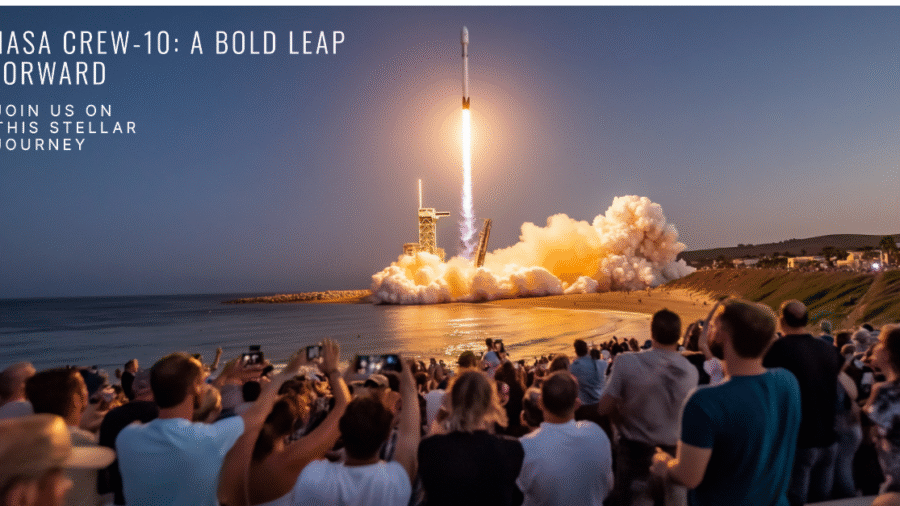
The air at Cape Canaveral is electric these days. Everyone is excited about NASA and SpaceX’s Crew-10 mission. This flight shows off innovation and teamwork from around the world. This mission goes beyond sending astronauts to the International Space Station (ISS). Official details are still being worked out. Humanity’s future in space is not just possible; it’s thriving. This comes from a new partnership between a famous government agency and a creative private company.
The Mission: Where Legacy Meets Ambition
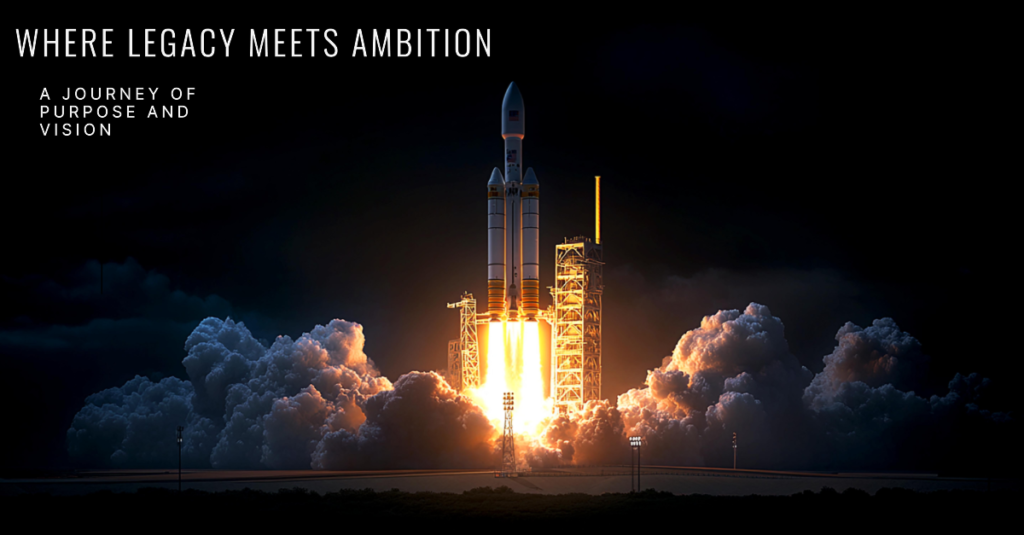
Crew-10 will launch from Launch Complex 39A. This is the famous Florida site that launched Apollo astronauts to the Moon. It also sent Space Shuttles into orbit. This time, the vehicle isn’t an old government relic. It’s SpaceX’s sleek, reusable Falcon 9 rocket and Crew Dragon capsule. This contrast—where a historic site meets modern technology—captures our mission. We honor the past and sprint toward the future.
The crew will likely include NASA veterans and international astronauts. There might even be a rookie or two. They will spend six months on the ISS. People in the space community are buzzing. They believe this could be one of the most diverse teams ever, even if their names aren’t revealed. Crew-10 may include a mix of backgrounds, just like past teams. They have had everyone from ex-military pilots to biochemists. “Every mission offers fresh views,” said NASA astronaut Jasmin Moghbeli in a recent post-flight debrief. “You learn as much from your crewmates as you do from the experiments.”
Not Just a Ride to Space: The Science of Survival
Once aboard the ISS, the Crew-10 team won’t be kicking back to enjoy the view. Their agenda is packed:
- Zero-G Labs: Picture growing human tissue in space. This could change organ transplants. Also, we can test materials for future Moon bases. Crew-10 may study how bacteria mutate in space. This is key for keeping astronauts healthy on long trips to Mars.
- Fixing the “Old Girl”: The ISS is over two decades old, and maintenance is no small feat. Crew-10 will install next-gen solar panels to keep the station powered and troubleshoot aging systems. “It’s like maintaining a vintage car… while it’s driving down the highway,” joked a NASA engineer during a recent press call.
- Prepping for the Moon: Tools used in Crew-10’s spacewalks may go to Artemis missions. Think lunar dust-resistant suits or handheld scanners to analyze Moon rocks in real time.
But it’s not all work. The crew will host live chats with schools, sharing the magic (and occasional chaos) of life in space. Remember when a floating burrito went viral during Crew-3’s mission? Crew-10 might just create their own memorable moment.
Crew Dragon: The Space Uber That’s Changing the Game
SpaceX’s Crew Dragon capsule—likely named something like Resilience or Horizon—is no ordinary spacecraft. It’s a tech marvel that feels part sci-fi, part Silicon Valley. Crew-10 will have improvements from earlier missions. It might feature quieter cabin fans, better Wi-Fi for video calls, and upgraded touchscreens.
Then there’s the Falcon 9 rocket. The one launching Crew-10 has probably already flown a few times, its soot-streaked exterior a badge of honor. After liftoff, it’ll land itself on a drone ship in the Atlantic, a maneuver that still feels like magic, even after 200+ successful recoveries. “Watching that booster come back never gets old,” said SpaceX launch commentator Kate Tice during a recent webcast. “It’s like seeing a fire-breathing dragon gently sit down on a postage stamp.”
The Risks: Space Isn’t for the Faint of Heart
Let’s be real—spaceflight is dangerous. Crew-10’s astronauts have trained for worst-case scenarios:
- Orbital Debris: The ISS recently had to dodge a chunk of Russian satellite debris. Crew-10 might face similar close calls as low-Earth orbit gets more crowded.
- Launch Day Jitters: Florida’s weather is fickle. Thunderstorms or high winds could delay liftoff, squeezing the crew into their capsule only to scrub at the last second.
- Living in a Tin Can: Six months in tight quarters tests even the best teams. Conflicts? “You work through it,” said ESA astronaut Andreas Mogensen. “You have to—there’s no door to slam here.”
Yet the crew knows the stakes. As NASA’s Steve Stich, Commercial Crew Program manager, put it: “Every mission is a referendum on our ability to keep humans alive in space. Failure isn’t an option.”
Why Crew-10 Matters: Beyond the ISS
This isn’t just about resupplying the ISS. Crew-10 is a proving ground for Moon and Mars tech. The same life-support systems scrubbing CO₂ from the Crew Dragon’s air? They’ll evolve into versions for SpaceX’s Starship. Experiments on growing food in space? Vital for a Mars colony.
And let’s not forget the geopolitical angle. Crew-10 boosts America’s space leadership. China is building its own space station, and Russia’s reliability is uncertain. This mission adds a unique twist to the competition. Unlike the Cold War space race, this mission is a team effort, blending NASA’s wisdom with SpaceX’s startup hustle.
The Human Side: Dreams, Fears, and Floating Coffee
Behind the headlines, Crew-10 is about people. The astronaut who’ll miss their kid’s graduation. The engineer who stayed up three nights fixing a valve. The Ukrainian researcher whose experiment could cure a disease.
And then there are the quirky, human moments:
- The “zero-g indicator” plushie that’ll float around the cabin post-launch (Crew-7 had a dinosaur).
- The scramble to catch floating tools during a repair.
- The crew’s first call to family from space—often tearful, always unforgettable.
What’s Next?
Crew-10’s launch window is still TBD, but one thing’s certain: When that Falcon 9 roars to life, it’ll carry more than astronauts. It’ll carry the hopes of everyone who’s ever looked up at the stars and wondered, What’s next?
As SpaceX’s Elon Musk tweeted after a recent launch: “To the Moon, Mars, and beyond. The adventure is just beginning.” For Crew-10, that adventure starts with a flash of fire and a trail of smoke over the Florida coast.