

Good marketing is the keystone of any lucrative business. It’s the bridge that connects a brand to its audience. It turns casual interest into lasting loyalty. But what exactly makes marketing effective? The solution rests in a blend of tactics, imagination, and understanding the audience. Let’s find the key traits of good marketing. They combine to make impactful campaigns.
1. Understanding the Target Audience

Effective marketing begins with truly knowing your target audience’s heartbeat. Discover their needs, dreams, and desires. By diving deep into their world, you unlock the keys to connection. Understanding your audience is your compass, guiding every campaign toward success. This involves:
- Detailed Personas: Profile your ideal customers. Include their age, location, interests, values, and challenges. A fitness brand may create personas for different segments. These represent top-tier athletes, laid-back gym attendees, and fresh faces. This helps tailor messages effectively.
- Segmentation: Segment your audience by demographics, behaviors, or unique needs. Market your fitness gear to three tribes: elite athletes, gym fans, and eager newbies. This targeted approach helps connect with each audience’s unique needs and preferences.
- Empathy Mapping: Dig deeper than surface-level stats. Uncover what drives your audience – their fears, dreams, and deepest desires. Tap into their emotional core to truly connect. Nike’s ‘Just Do It’ strategy supports athletes’ emotional needs. It motivates them to push through barriers.
Know your audience. Then, craft messages that resonate and solve their problems.
2. Clear Value Proposition
Why pick your product? A compelling value proposition answers this crucial question. As the foundation of effective marketing, it sets you apart from rivals. Craft yours wisely to drive success.
- Solve Problems: Highlight how your offering addresses a specific pain point. Example: Apple’s iPhone emphasizes simplicity and reliability in an overcrowded market.
- Differentiate: Show what makes your brand unique. This could be quality, price, innovation, or superior customer service. TOMS stands out with its “One for One” campaign. Every purchase helps someone in need.
- Communicate Benefits: Stay comfortable and dry in any weather, no matter the conditions. Our footwear delivers real benefits, not just a list of specs. We emphasize how you’ll feel wearing our shoes, not simply what they’re made of. Experience the difference firsthand—your feet will thank you.
3. Strong Branding
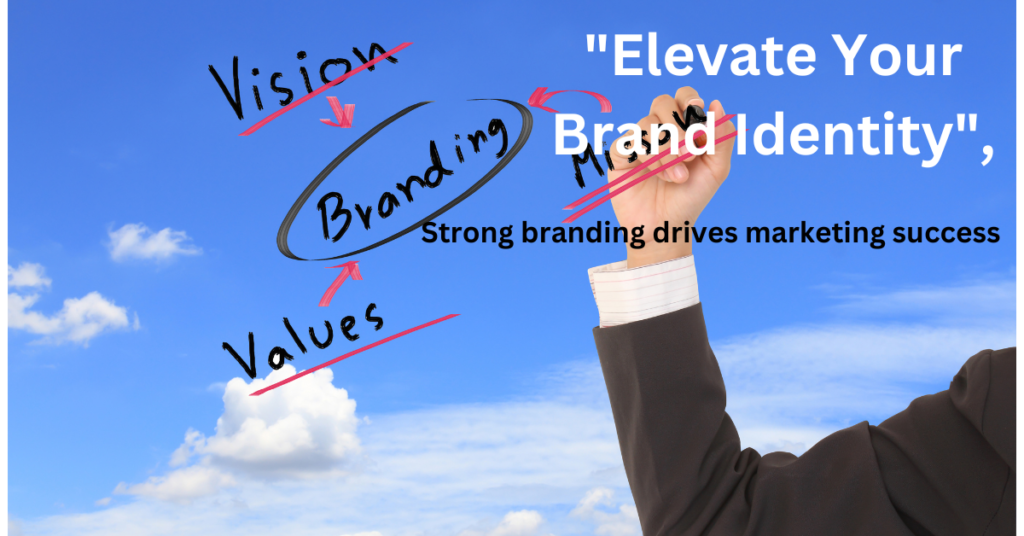
Your brand is beyond merely a logo; it’s the reputation that surrounds your enterprise. Strong branding involves:
- Consistency: “Unify your colors, fonts, and tone across every channel. Just like Coca-Cola, whose vibrant red and white branding is a global icon. Consistency crafts recognition, turning your identity into an unforgettable visual symphony.”
- Authenticity: Weave your brand’s narrative into its core values and purpose. This forges emotional bonds with your audience. Patagonia exemplifies this approach, as their environmental ethos deeply connects with eco-minded shoppers. Authentic storytelling builds loyal customers who share your mission.
- Memorability: Apple’s iconic look grabs attention and lingers. Their sleek designs and uncluttered visuals stand out from the crowd. Craft your brand’s image with equal care – make it simple yet striking. A distinctive style will embed your message in customers’ minds.
Trust blooms from a clear brand identity. Recognition follows, paving the way for enduring customer devotion.
4. Effective Messaging
Words wield power in good marketing. Chosen wisely, they captivate. Poorly picked, they repel. A campaign’s fate hangs on linguistic finesse. Effective messaging should:
- Be Clear and Concise: Steer clear of technical terms or excessively complex wording. Example: Spotify’s “Music for Every Moment” communicates its value clearly and quickly.
- Address Pain Points: Dyson’s vacuum ads hit home by addressing real cleaning woes. Pet hair and allergies? Their messaging promises solutions, speaking straight to what matters most for frustrated homeowners. By targeting specific pain points, Dyson connects with buyers’ deepest cleaning desires.
- Incorporate Storytelling: Humans connect with stories. Use narratives that highlight customer experiences or your brand’s journey. Women’s body image battles take center stage in Dove’s “Real Beauty” campaign. Personal stories and real experiences highlight this struggle. They invite viewers to reflect on their own journeys toward self-acceptance.
Fine-tune your messaging for each platform while keeping a steady voice. For example, a professional tone may work for LinkedIn. A casual, friendly voice may suit Instagram.
5. Strategic Planning
Winning promotion doesn’t occur by coincidence. It requires meticulous planning:
- Set Goals: Define your aims—brand awareness, leads, sales, or retention. Starbucks may aim to boost loyalty through its rewards program.
- Choose Channels: Focus on platforms where your audience is most active. These include social media, email, and search engines. Example: Use TikTok to target Gen Z. Use Facebook for older users.
- Allocate Resources: Budget effectively, balancing between paid ads, organic growth, and content creation. Boost social media ad spending during holiday sales to maximize short-term profits. A thoughtfully designed plan guarantees that every action contributes to your main goals.
6. Imagination and Innovation
Breaking through in a cluttered market takes cleverness:
- Unique Campaigns: Shatter norms. Mesmerize viewers. Old Spice transformed a mundane product into cultural buzz. Their “Man Your Man Could Smell Like” ad broke molds, captivated minds, and sparked a sensation. It proved that creative ideas can make even the most ordinary items legendary.
- Innovative Formats: Explore the digital frontier with AR and VR. With IKEA’s AR app, you can visualize furniture in your home before hitting ‘buy.’ Explore the possibilities of interactive content and transform your shopping experience!
- Engaging Visuals: Use high-quality images, videos, and graphics to capture attention. Example: National Geographic uses stunning photography to make the audience stop scrolling.
Creativity intrigues your audience and keeps them engaged. It encourages them to explore your brand further.
7. Data-Driven Decisions
Figures narrate a tale. Use data to:
- Track Performance: Watch key metrics. They are website traffic, conversion rates, and social media buzz. For example, an e-commerce brand tracks click-through rates. Tracking campaign impact, they analyze email engagement metrics.
- Optimize Campaigns: Test and refine strategies to maximize results. A/B testing landing pages reveals which designs drive more conversions. Analyze data, identify effective elements, and adjust tactics. Continuous optimization improves performance over time.
- Personalize Experiences: Harness insights to craft personalized content and irresistible offers. Think of it this way: Amazon uses your history to make recommendations. It’s a delightful dance of data, ensuring suggestions feel like they were made just for you.
Tools like Google Analytics and CRM software make data analysis easier. So do social media analytics.
8. Consistency Across Channels
Your audience dances with your brand at various touchpoints. Seamless consistency creates a silky experience.
- Unified Messaging: Align your tone and voice across ads, emails, and social posts. Example: Nike maintains a consistent, motivational tone across all channels.
- Integrated Campaigns: Connect efforts across channels for maximum impact. For example, use email to follow up on social media campaigns.
- Brand Guidelines: Develop a style manual for uniform promotional content.
Uniformity enhances reputation and solidifies your brand character.
9. Adaptability
The marketing landscape evolves at a fast pace. Stay ahead by:
- Tracking Trends: New platforms transform audience behaviors, reshaping industries. TikTok’s meteoric rise showcases this evolution, captivating younger viewers with bite-sized videos. Savvy brands adapt quickly. They wrap new trends to stay relevant in a fast-changing digital world.
- Listening to Feedback: Listen to your clients’ feedback. Their reviews and ideas can spark enhancements to your products or services. By listening and adapting, you’ll refine your offerings and boost satisfaction.
- Pivot When Needed: Be ready to adjust strategies based on data or outside factors. Consider brands like PepsiCo that swiftly pivoted to digital advertising during the pandemic. Their agile approach transformed challenges into opportunities with the click of a mouse.
Malleability ensures that your marketing is effective and on point.
10. Customer-Centric Approach
In essence, sound marketing is about establishing rapport. A customer-first mindset involves:
- Engagement: Engage your audience like a maestro conducting a symphony. Use comments, polls, and direct messages to create a lively dialogue. Take Zappos, for instance. They’re the gold standard for customer service.
- Personalization: “Craft your experience with tailor-made content and offers that sing to you. Take Spotify, for instance; its personalized playlists beckon users back day after day.”
- Loyalty Programs: Cultivate lasting connections by rewarding loyal customers. Take Sephora’s Beauty Insider program, for instance. It dazzles with perks that entice repeat visits.
When consumers feel recognized, they’re more inclined to turn into brand champions.
11. Emotional Appeal
Emotions dance in the decision-making process; logic often takes a backseat. It’s a curious waltz, where feelings lead the way while reason follows. In the world of shopping, heartstrings tug harder than spreadsheets ever could. Tap into feelings like:
- Joy: Create content that makes people smile or feel good. “Share a Coke” sparks joy, linking names to cherished moments. Coca-Cola’s clever campaign fosters personal bonds through customized labels.
- Trust: Display endorsements, evaluations, and success stories. Example: Amazon prominently features user reviews to establish trust with potential buyers.
- Ambition: Align your product with your audience’s aspirations and goals. Example: Fitbit encourages customers to achieve health and fitness goals.
Emotional connections lead to stronger, more lasting bonds with your audience.
12. Ethical Practices
Marketing is honest and socially responsible. Avoid tactics that manipulate or mislead:
- Transparency: Be upfront about pricing, terms, and product limitations. Everlane’s “Radical Transparency” campaign shows how much its clothes cost to make.
- Inclusivity: Represent diverse perspectives in your campaigns. Example: Dove’s Real Beauty campaign features women of all shapes, sizes, and ethnicities.
- Social Responsibility: Support causes or initiatives that align with your brand values. Example: Ben & Jerry’s takes an active stand on social justice issues.
Ethical marketing enhances trust and builds a positive reputation.
FAQs
- Why is understanding the target audience crucial?
Knowing your audience helps you create campaigns that resonate. This boosts engagement and conversion rates. - How can I ensure consistency across channels?
Create brand guidelines. Use good marketing tools to align your messaging, visuals, and tone across all platforms. - What role does data play in marketing?
Data shows performance, audience behavior, and preferences. Use it to optimize campaigns and personalize experiences. - How do I balance creativity with strategy?
First, have a clear strategy. Then, use creativity to make your campaigns stand out. But stay aligned with your goals and your audience’s needs. - What are some examples of ethical marketing?
Examples are: transparent pricing, inclusive campaigns, and social causes. But, they must not exploit sensitive issues.
Conclusion
Good marketing is the symphony where art meets science. It dances with creativity to seize attention. Great marketing waltzes with data to sharpen strategies. It embraces empathy to forge connections. By zeroing in on 12 essential elements, you can orchestrate campaigns that resonate.
Know your audience; compose messages that dazzle. Remain flexible, and cultivate trust at every turn. Such campaigns won’t just deliver results; they’ll etch a memorable mark in minds and hearts.