
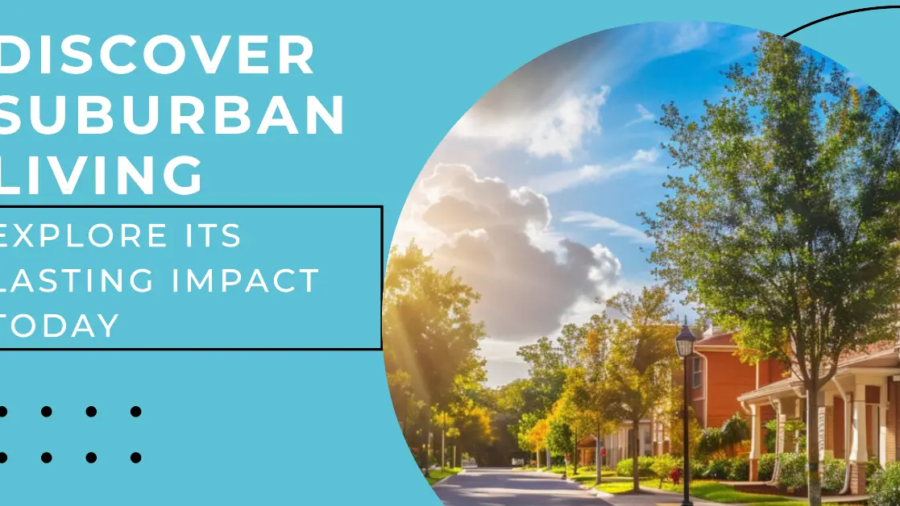
Suburban living balances city life and open spaces with tree-lined streets, larger homes, and a strong sense of community. It prioritizes comfort, privacy, and family-friendly environments, appealing to individuals and families seeking more space without straying too far from urban amenities. Suburban living influences daily routines and long-term goals, shaping how people connect with their surroundings and build their sense of home.
The Rise of Suburban Living
Suburban living has been an enduring symbol of the American way of life, dating back to the late 19th and early 20th centuries when the expansion of railways and roads facilitated the growth of suburbs. However, after World War II, suburbanization exploded as returning veterans and their families sought housing in tranquil environments outside crowded urban centers. This era saw the development of planned communities that emphasized family living, accessibility, and convenience, forming the bedrock of modern suburbs. The enduring magnetism of places like Rancho Santa Fe homes for sale reflects the timeless appeal of these suburban sanctuaries, noted for their scenic landscapes and robust amenities. Today, evolving lifestyle preferences and remote work opportunities continue to draw people toward suburban areas. As priorities shift toward space, comfort, and community, the suburban lifestyle remains as relevant and desirable as ever.
Factors Influencing the Move to Suburbs
Suburbs are increasingly popular due to their perceived safety, community-focused environment, spacious homes, and comfortable living spaces. They offer remote work opportunities, blurring the line between work and leisure, and cater to a growing desire for sustainable living arrangements. The trend also indicates a shift in demographic preferences towards modern transit solutions and eco-friendly designs.
Benefits of Suburban Life
Suburbs are renowned for their safety and community ethos, offering a serene, slower setting with access to nature and a lower cost of living. They also provide a family-oriented atmosphere with community-centric resources like effective school systems and neighborhood associations planning year-round social gatherings. These areas are often preferred for their extensive and updated living spaces.
Common Misconceptions About Suburban Areas
Despite their popularity, suburbs often face misconceptions regarding their diversity and cultural richness. The stereotypical view of suburbs as culturally homogenous is frequently inaccurate, as many suburban areas today host various cultural events, art festivals, and culinary marketplaces that reflect diverse heritages. Furthermore, suburbs are increasingly becoming hubs of innovation and progress, with remarkable institutions and healthcare facilities offering high-quality education and medical services. These contribute to debunking the notion that suburban living lacks the vibrancy and opportunities in urban areas.
Economic and Environmental Considerations
Suburbans stimulate local economies by attracting businesses, creating job opportunities, and fostering economic diversity. However, environmental considerations are crucial, as suburban sprawl necessitates sustainable planning and development. Integrating green spaces with suburban growth requires innovative solutions to mitigate the environmental impact of suburban sprawl, thereby promoting ecologically responsible suburbs.
Community and Lifestyle in the Suburbs
Suburban community life is characterized by active participation through local clubs, volunteer organizations, and civic initiatives, creating a supportive environment for growth. The suburbs offer numerous leisure activities, including sports leagues, fitness programs, and cultural excursions. Children’s upbringing is positively influenced by accessible extracurricular options and supportive educational systems emphasizing personal and academic growth.
Navigating the Real Estate Market in Suburban Areas
The suburban real estate market requires strategic decision-making and thorough neighborhood research. Homeowners should consider local amenities, school ratings, community vibes, and future development plans. Collaborating with real estate professionals can offer valuable insights and guidance, focusing on the distinctive features of each community to ensure lifestyle satisfaction.
Future Trends in Suburban Living
Suburban living is expected to evolve due to technological advancements and societal trends. Improved public transportation and innovative city technologies will enhance connectivity and efficiency. Demographic shifts, including an aging population and diverse cultural landscapes, will prompt suburbs to adapt housing and service solutions—challenges like climate change present opportunities to innovate and redefine suburban living, ensuring sustainability and inclusivity.