
Keyword research is the backbone of any effective SEO or content marketing strategy. While the basics lay the groundwork, diving deeper into advanced techniques and nuanced strategies can unlock untapped opportunities. Below, we expand on the original guide with actionable insights, advanced tactics, and practical examples to help you dominate search rankings.
Understanding Search Intent

Search intent is the “why” behind a query. Google categorizes intent into four types, but let’s break them down with real-world examples:
a) Informational Intent
- Query: “How to grow tomatoes in containers.”
- Content Strategy: Create step-by-step guides, infographics, or video tutorials.
- Example: Epic Gardening dominates this space with detailed guides and YouTube videos.
b) Commercial Intent
- Query: “Best DSLR cameras under $1,000.”
- Content Strategy: Comparison charts, expert reviews, and “vs.” articles.
- Example: DPReview uses side-by-side camera specs and user ratings.
c) Transactional Intent
- Query: “Buy Nike Air Zoom Pegasus 40.”
- Content Strategy: Optimize product pages with keywords like “discount,” “free shipping,” or “size chart.”
d) Navigational Intent
- Query: “Facebook login.”
- Content Strategy: Branded landing pages or troubleshooting guides (e.g., “Facebook login issues”).
Pro Tip: Use Google’s “People Also Ask” (PAA) boxes to identify subtopics.

Step-by-Step Keyword Research Process

Phase 1: Seed Keyword Generation
- Brainstorming: List 10–20 core topics (e.g., “email marketing,” “CRM software”).
- Customer Surveys: Ask, “What words would you use to find [solution]?”
- Social Listening: Use Reddit’s r/SEO or Quora to find niche phrases.
Phase 2: Keyword Expansion
- Use Google Keyword Planner:
- Filter by “Avg. Monthly Searches” and “Competition.”
- Filter by “Avg. Monthly Searches” and “Competition.”
- Long-Tail Keywords:
- Example: “Best email marketing tools for small businesses” (Lower competition, higher intent).
- Generate with AnswerThePublic.
- LSI Keywords:
- Tools like LSIGraph find contextually related terms (e.g., “open rate” for “email marketing”).


Phase 3: Prioritization
Use a Keyword Scoring Matrix:
| Keyword | Volume | KD | Intent | Priority |
|---|---|---|---|---|
| “Email marketing software” | 12,000 | 65 | Commercial | Medium |
| “How to write a cold email” | 3,200 | 28 | Informational | High |
Advanced Tools & Automation
Tool 1: Ahrefs
- Site Explorer: Analyze competitors’ top pages.
- Keyword Explorer: Filter by “Parent Topic” to find semantic clusters.
Tool 2: Frase.io
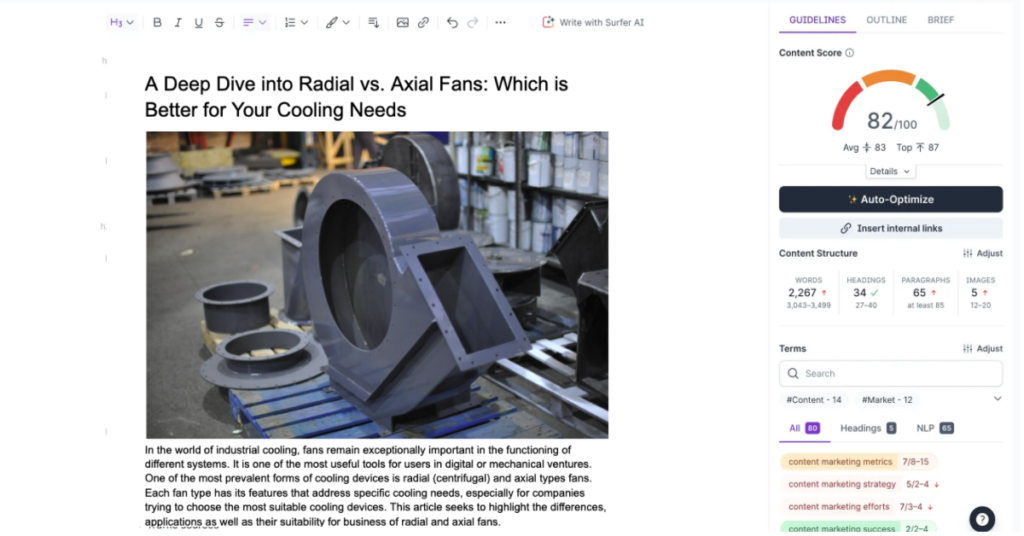
- Content Optimization: Compares your draft to top 10 SERP competitors.
- Question Extraction: Auto-generates FAQs from PAA.
Automation with Python
- Script Example: Scrape Google Autocomplete for long-tail keywords.
import requests
query = "best coffee"
response = requests.get(f"http://suggestqueries.google.com/complete/search?q={query}&client=firefox")
print(response.json())
Competitor Analysis & “Barnacle SEO”

Step 1: Identify Competitor Weaknesses
- Use Ahrefs’ “Content Gap” tool to find keywords they rank for but lack depth.
- Example: Competitor ranks #9 for “best running shoes for flat feet” → Create a better guide with video testimonials.
Step 2: Barnacle SEO
- Target third-party platforms (YouTube, Medium) ranking for your keywords.
- Example: Publish a YouTube video titled “10 Best Running Shoes for Flat Feet (Podiatrist-Approved)” and embed it in your blog.
Voice Search & AI Optimization

Voice Search Tactics
- Natural Language: Answer questions like “What’s the cheapest way to ship a package?”
- Featured Snippets: Use headers like “Steps to…” or “Tips for…” to target Position Zero.
AI Optimization for ChatGPT
- Prompt-Based Keywords: “ChatGPT, how do I start a podcast?”
- Structure Answers: Use bullet points and mark FAQs with schema.
Local SEO & Hyper-Targeted Strategies
Local Keyword Examples
- “Emergency plumber Houston 24/7”
- “Vegan bakery downtown Chicago”
Google Business Profile (GBP) Optimization
- Embed keywords in:
- Business Description: “Family-owned HVAC services in [City] since 1995.”
- Posts: “Get 20% off furnace repairs this winter!”
Global & Multilingual Keyword Tactics
Avoid Translation Mistakes
- Example: “Coche” (Spain) vs. “Carro” (Latin America) for “car.”
- Tool: Use SEMrush’s Keyword Magic Tool with country filters.
Hreflang Tags
- Ensure proper indexing for multilingual sites:
<link rel="alternate" hreflang="es" href="https://example.com/es/" />Avoiding Keyword Mistakes
Mistake 1: Ignoring Mobile Searches
- Mobile-First Keywords: “Open now,” “near me,” “hours.”
- Optimize for “Micro-Moments”: “Buy,” “How to,” “Where is.”
Mistake 2: Keyword Cannibalization
- Example: Two blog posts targeting “best WordPress plugins.”
- Fix: Merge content or retarget one page to “best free WordPress plugins.”
Future Trends
Trend 1: AI-Generated Content
- Optimize for queries like “Explain [topic] in simple terms.”
Trend 2: Visual Search
- Use descriptive alt text: “Rustic wooden dining table with iron legs.”
Checklists & Templates
Keyword Research Checklist
- Mapped audience personas to search intent.
- Analyzed 3 competitors using Ahrefs/SEMrush.
- Generated 50+ long-tail keywords.
- Assigned keywords to existing or new content.
Free Template: Keyword Tracking Sheet
- Columns: Keyword, Volume, KD, URL, Position, Notes.
- Download Google Sheets Template.
Final Word
Keyword research is the bridge between your audience and your content. By combining advanced tools, competitor insights, and intent-driven strategies, you’ll dominate search rankings and drive sustainable growth.
Next Steps:
- Run a content gap analysis using Ahrefs.
- Optimize one blog post for voice search.
- Track results in Google Search Console.

- What is the most important factor in keyword research?
The most critical factor is search intent. Keywords must align with what users are looking for (informational, commercial, navigational, or transactional intent). Ignoring intent leads to high bounce rates, even with great rankings. - Which tools are best for finding low-competition keywords?
Use Ubersuggest for budget-friendly long-tail keywords, Ahrefs’ Keyword Difficulty Tool to filter by competition, and AnswerThePublic for question-based queries. - How do I steal keywords from competitors?
Use tools like SEMrush’s Keyword Gap Tool or Ahrefs’ Content Gap Analysis to identify keywords your competitors rank for but don’t prioritize. Create better, more detailed content to outrank them. - Why are long-tail keywords better for SEO?
Long-tail keywords (e.g., “best running shoes for flat feet”) have lower competition, higher conversion intent, and let you target niche audiences. They often drive more qualified traffic than generic terms. - How do I optimize for voice search?
Target natural-language queries (e.g., “Where’s the nearest coffee shop?”), structure content with short answers (40–60 words), and optimize for featured snippets using bullet points or numbered lists.