
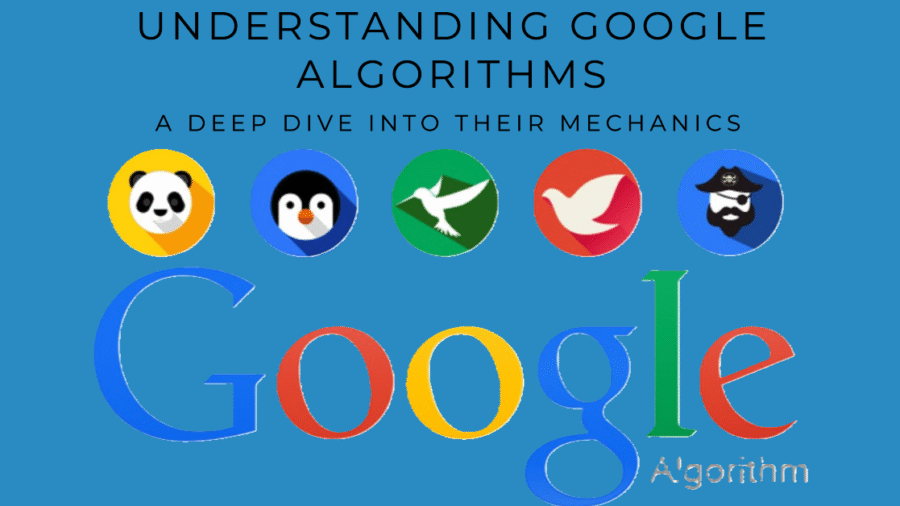
Google’s search algorithm is one of the most complex and sophisticated systems in the world. It powers more than 90% of global internet searches. It delivers billions of results in just milliseconds. But how does Google’s algorithm work? What happens behind the scenes to rank websites at the top of search engine results pages (SERPs)? This article covers Google’s algorithm, its key components, and how it impacts your daily search results.
What is Google’s Algorithm?
Google’s algorithm is a set of rules and calculations used to rank web pages in search engine results. Its main goal is to provide the most relevant, high-quality, and useful content to users based on their search queries. Google’s algorithm has changed a lot over the years. It now uses hundreds of ranking factors and relies on advanced tech like AI and machine learning.
The algorithm isn’t fixed. It gets updated all the time to boost search quality, fight spam, and adjust to how users behave. Google releases thousands of updates each year. Some are minor tweaks, but core updates can greatly affect search rankings.
Key Components of Google’s Algorithm
Google’s algorithm is a complex system. It looks at many factors to judge how relevant and high-quality a webpage is. The exact details of the algorithm are a trade secret. However, here are the key components important for its operation:
1. Crawling
Crawling is how Google’s bots, known as “spiders” or “crawlers,” find new and updated content online. These bots navigate the internet by following links from one page to another.
- How It Works: Google’s crawlers start with a list of known URLs and sitemaps. As they explore these pages, they click on internal and external links to find new content.
- Importance: If search engines don’t crawl your site, it won’t get indexed or ranked. Ensuring your site is crawlable is the first step to appearing in search results.
2. Indexing
After crawling, Google adds the new content to its huge index. This index is a database of all the web pages it knows. Indexing means looking at the content, keywords, and metadata of each page. This helps us grasp its context and importance.
- How It Works: Google’s algorithm sorts and saves details about each page. This includes the title, headings, images, and keywords.
- Good indexing helps your content appear in search results for related queries.
3. Ranking
Ranking is the process of determining the order in which web pages appear in search results. Google’s algorithm checks many ranking factors. It decides which pages are most relevant and valuable for a query.
- How It Works: When a user enters a query, Google’s algorithm scans its index to find the most relevant pages. It then ranks them based on factors like relevance, authority, and user experience.
- Importance: Higher rankings lead to more visibility, traffic, and potential conversions.
Key Ranking Factors in Google’s Algorithm
Google’s algorithm considers a wide range of factors when ranking web pages. While the exact weight of each factor is unknown, here are some of the most important ones:
1. Relevance
Relevance refers to how well a webpage matches the user’s search intent. Google’s algorithm looks at the content, keywords, and context of a page. It does this to see how relevant it is to a query.
- Keywords: The presence of relevant keywords in titles, headings, and content.
- Search Intent: Find out if the user wants information, a product, or a specific website.
2. Content Quality
High-quality content is one of the most critical ranking factors. Google prioritizes content that is original, informative, and valuable to users.
- Depth and Originality: Comprehensive, well-researched content that provides unique insights.
- Engagement: Content that keeps users on the page and encourages interaction.
3. Backlinks
Backlinks are links from other websites to yours. They show your site’s authority and trustworthiness. Google views backlinks as “votes of confidence” from other sites.
- Quality Over Quantity: Links from reputable, high-authority sites carry more weight.
- Relevance: Backlinks from sites in the same niche or industry are more valuable.
4. User Experience (UX)
Google prioritizes websites that offer a positive user experience. This includes factors like page speed, mobile-friendliness, and ease of navigation.
- Page Speed: Faster-loading pages rank higher.
- Mobile-Friendliness: With mobile-first indexing, Google prioritizes sites that are optimized for mobile devices.
- Core Web Vitals: Metrics like loading performance, interactivity, and visual stability.
5. Technical SEO
Technical SEO ensures that your website is easy to crawl and index. Key technical factors include:
- Site Structure: A clear, logical hierarchy with proper internal linking.
- XML Sitemap: A file that helps Google understand your site’s structure.
- Robots.txt: A file that tells Google which pages to crawl and which to ignore.
6. E-E-A-T (Experience, Expertise, Authoritativeness, Trustworthiness)
Google assesses content using the E-E-A-T framework. This is important for YMYL (Your Money or Your Life) topics, such as health, finance, and legal advice.
- Experience: Demonstrating firsthand experience with the topic.
- Expertise: Showcasing knowledge and qualifications.
- Authoritativeness: Establishing authority through backlinks and citations.
- Trustworthiness: Ensuring the site is secure and transparent.
7. Freshness
For certain queries, Google prioritizes fresh, up-to-date content. This is especially important for news, trends, and time-sensitive topics.
- Regular Updates: Keeping content current and relevant.
- Timestamping clearly indicates when someone published or updated content.
How Google’s Algorithm Has Evolved
Google’s algorithm has undergone significant changes since its inception. Here are some of the most notable updates:
1. Panda (2011)
Panda focused on low-quality content and thin pages. It penalised sites with duplicate, irrelevant, or spammy content.
2. Penguin (2012)
Penguin focused on combating spammy backlinks and manipulative link-building practices.
3. Hummingbird (2013)
Hummingbird launched semantic search. This helped Google grasp the context and intent of queries better.
4. Mobile-Friendly Update (2015)
This update prioritized mobile-friendly websites, reflecting the growing importance of mobile search.
5. RankBrain (2015)
RankBrain brought machine learning to Google’s algorithm. Now, it can understand complex queries and enhance search results over time.
6. BERT (2019)
BERT (Bidirectional Encoder Representations from Transformers) helped Google understand natural language better. It also improved how Google handles the details in search queries.
7. Core Updates
Google regularly releases core updates that significantly impact search rankings. These updates aim to improve the overall quality of search results.
How to Optimize for Google’s Algorithm
To rank well on Google, you need to align your website with the algorithm’s priorities. Here are some best practices:
- Create High-Quality Content: Focus on originality, depth, and relevance.
- Optimize for Keywords: Use keywords naturally in titles, headings, and content.
- Build Quality Backlinks: Earn links from reputable, relevant websites.
- Improve User Experience: Ensure your site is fast, mobile-friendly, and easy to navigate.
- Focus on Technical SEO: Make your site easy to crawl and index.
- Stay Updated: Keep up with Google’s algorithm changes and adapt your strategy accordingly.
Conclusion
Google’s algorithm is a complex system that keeps changing. It aims to give users the best search experience. To rank higher in search results, understand how it works. Focus on key factors like relevance, content quality, backlinks, and user experience. This will help you optimize your website effectively. The algorithm might seem complex, but it’s based on helping users. Every website should aim for this goal. Stay informed, adapt to changes, and prioritize quality to succeed in the competitive world of SEO.