

In a time of digital change, overlay networks are key to modern connectivity. These virtualized network architectures enable unmatched flexibility and scalability. They do this by running independently of the physical infrastructure beneath them. For businesses and developers, it’s critical to know how to build overlaid networks. Doing so will unlock their full potential. This article explores overlay networks. It covers their architecture, benefits, and challenges. It also looks at their transformative real-world applications.
What is an Overlay Network?
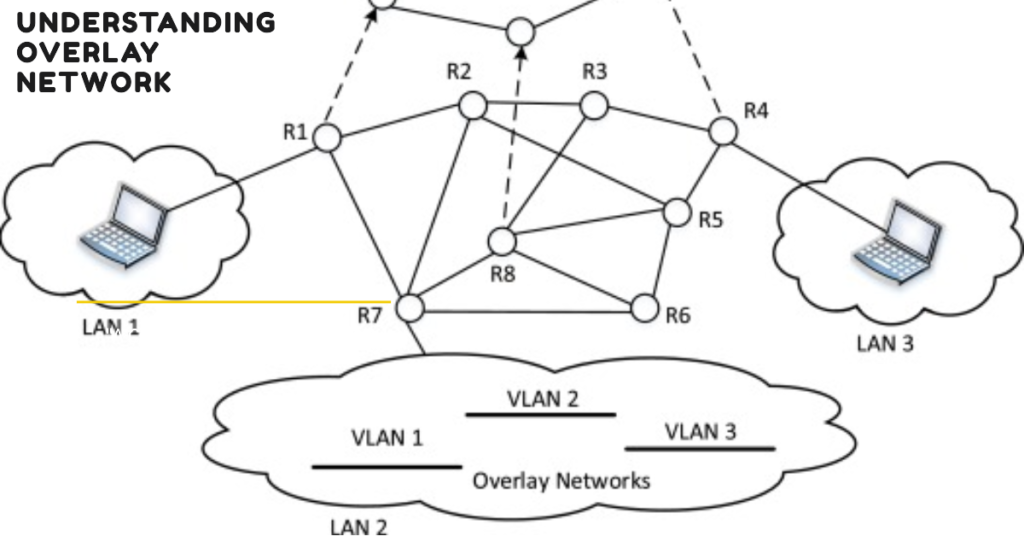
An overlay network is a virtual framework built on a physical network. An overlay network abstracts physical connections into a logical layout. Unlike traditional networks, it relies on those connections. This allows for dynamic routing, better security, and advanced traffic management. Overlay networks can efficiently solve complex networking needs. They do this by encapsulating data packets for transport through the physical layers. This enables multi-cloud connectivity and secure remote access.
Core Components of Overlay Networks
To build and manage an overlay network, several foundational components must work cohesively:
- Underlay Network: The underlay is the physical layer, comprising routers, switches, and cabling. It transmits data packets and supports the overlay.
- Virtual Nodes and Links: These are the elements that define the logical structure of the overlay. They represent devices or endpoints. Virtual links simulate connections between them, often using tunneling protocols.
- Encapsulation Mechanisms: Encapsulation protocols are crucial. They include GRE, VXLAN, and IP-in-IP. They encapsulate the original data packets. This allows them to traverse the underlay securely and efficiently.
- Control Plane: The control plane governs how data flows through the overlay. It manages routing tables, signaling, and configuration, ensuring optimal performance and connectivity.
- Data Plane: This component handles the actual forwarding of packets. The data plane works with the control plane. It delivers packets to their destinations in the overlay.
Advantages of Overlay Networks
An overlaid network has many benefits. It is a great choice for organizations seeking agile, robust solutions.
- Unmatched Flexibility: Overlay networks separate logical topologies from physical limits. This allows for custom networks designed for specific apps or workflows.
- Enhanced Scalability: It’s easy to scale an overlay network. It needs few changes to the physical infrastructure. This makes it ideal for growing businesses or fluctuating workloads.
- Increased Security: Overlays support secure tunnels and encryption. They protect data on public or shared networks.
- Centralized Management: Overlays use technologies like SDN. They enable centralized control and automation, which simplifies network administration.
- Cost Efficiency: Overlay networks can maximize the use of existing hardware. This allows businesses to avoid costly upgrades.
Challenges in Overlay Networks
Overlay networks have benefits. But, they also have challenges. We must fix these for the best performance.
- Performance Overhead: The encapsulation process can slow you down, reducing your output. This is especially true in busy, high-demand areas.
- Troubleshooting Complexity: It’s hard to diagnose issues in an overlay network. Its abstraction hides the underlying physical network.
- Interoperability Issues: Making overlay and underlay technologies work together can be difficult. It often requires a lot of effort and expertise.
- Resource Allocation: Poor resource allocation can cause bottlenecks. This can hurt both the overlay and the underlying networks.
- Skill Gaps: Building and maintaining overlay networks require specialized knowledge. This may not be readily available within an organization.
Real-World Applications of Overlay Networks
Overlay networks are reshaping the way businesses and technologies interact with digital infrastructure. Some key applications include:
- Software-Defined Networking (SDN): SDN uses overlay networks. They enable dynamic reconfiguration and fine control of network traffic.
- VPNs: They use overlay technology to create secure, encrypted connections over public networks. This safeguards sensitive communications.
- Cloud Interconnectivity: In multi-cloud setups, overlays simplify links between different cloud providers. They ensure a smooth data flow and steady performance.
- Content Delivery Networks (CDNs): Overlays improve CDNs. They optimize data distribution, speed up content delivery, and reduce latency for end users.
- IoT: Overlay networks support IoT by connecting many devices securely and at scale.
- Edge Computing: By extending the network to the edge, overlays enable localized processing. This reduces latency and bandwidth use.
Steps to Build an Overlay Network
Creating an effective overlay network requires careful planning and execution. The following steps outline the process:
- Define Objectives: Identify the goals and needs for the overlay network. This includes performance, scalability, and security.
- Select Appropriate Protocols: Choose encapsulation and routing protocols that align with your objectives. Popular choices include VXLAN for scalability and GRE for simplicity.
- Design the Logical Topology: Map the virtual nodes and links. Create a network structure that meets application needs.
- Integrate with the Underlay: Configure the overlay to work with the physical network. Ensure compatibility and optimize resources.
- Deploy Virtualization Technologies: Use virtual machines, containers, or special software to implement the overlay’s logical components.
- Test Rigorously: Validate the overlay network’s function with simulations and real-world tests. Fix any issues before full deployment.
- Monitor and Optimize: Use monitoring tools to track performance. Troubleshoot problems and optimize resource use.
The Future of Overlay Networks
As digital transformation accelerates, overlay networks are set to evolve. They will integrate cutting-edge innovations like:
- Artificial Intelligence (AI): AI-fueled innovations are about to reshape the cyber world. They will unleash predictive analytics, streamline automated troubleshooting, and orchestrate intelligent traffic management. Embrace this wave of innovation and watch efficiency soar!
- Blockchain Technology: Overlays may use blockchain for decentralized security. This ensures data integrity across complex networks.
- 5G and Beyond: 5G will boost overlays with ultra-low latency and high-bandwidth connections.
- Zero Trust Architecture: Overlay networks are key to zero trust. They will boost cybersecurity in organizations.
FAQs
1. What is the main purpose of an overlay network?
Overlay networks create a flexible, secure virtual layer on physical networks. They address issues like scalability, dynamic routing, and multi-cloud connectivity.
2. How does an overlay network differ from an underlay network?
An overlay network is a virtual topology, not limited by physical constraints. An underlay network is the physical infrastructure that supports data transmission.
3. Can overlay networks improve cybersecurity?
Yes, overlay networks boost security. They use encrypted tunnels, dynamic routing, and access controls.
4. What industries benefit most from overlay networks?
Overlay networks greatly benefit industries like finance and healthcare. They offer scalability, security, and flexibility.
5. Are overlay networks compatible with existing infrastructures?
Yes, overlay networks integrate with existing underlay infrastructures. They are adaptable for both legacy systems and modern deployments.
Conclusion
Building overlaid networks represents a paradigm shift in how connectivity is approached. These networks help businesses innovate, scale, and secure their digital assets. They do this by simplifying complexity and using virtualization. Overlay networks are vital for modern organizations. They adapt to dynamic workloads, support new technologies, and simplify management. As the digital world evolves, their importance will grow. They will help organizations thrive in a connected world.